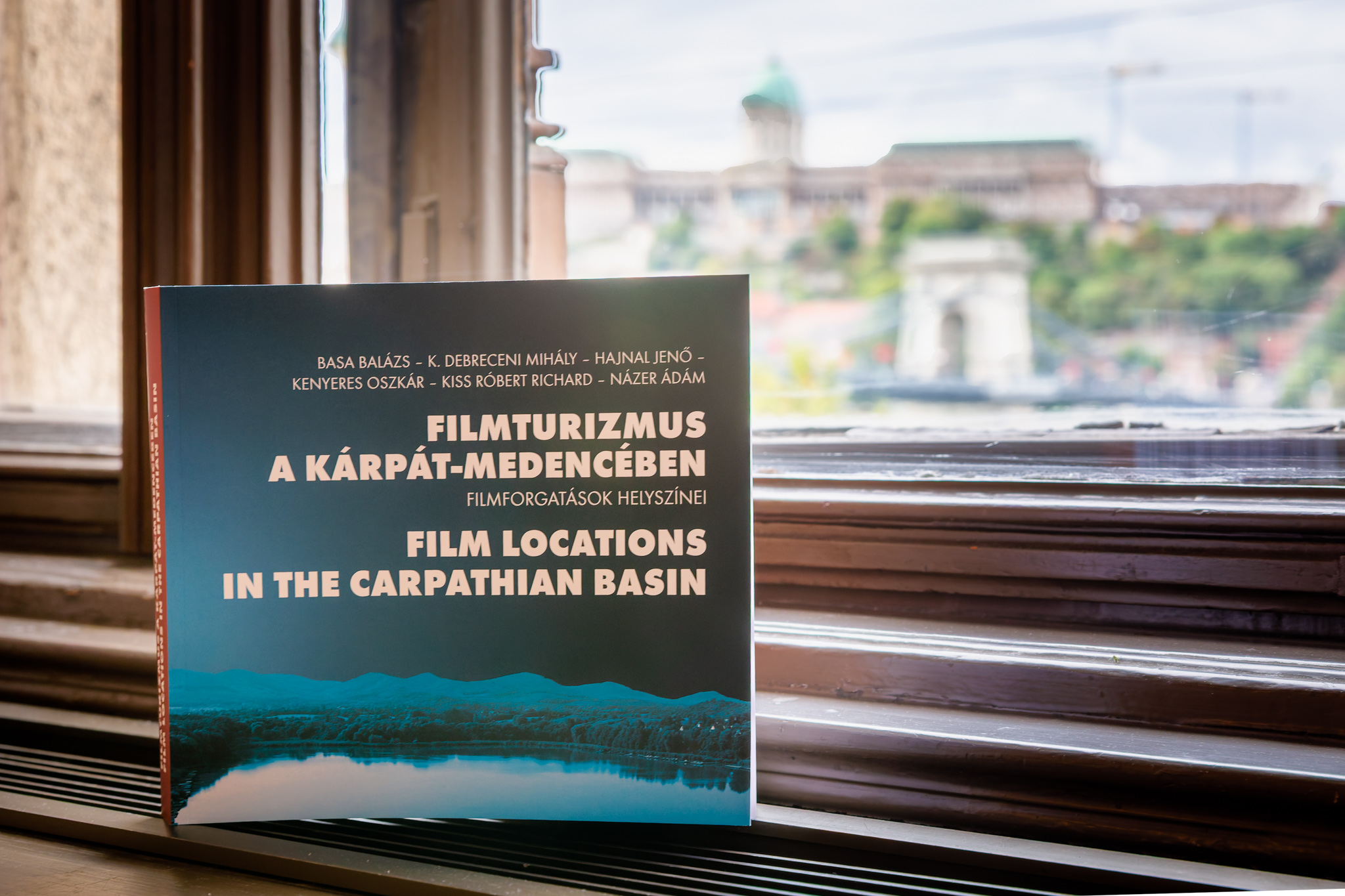
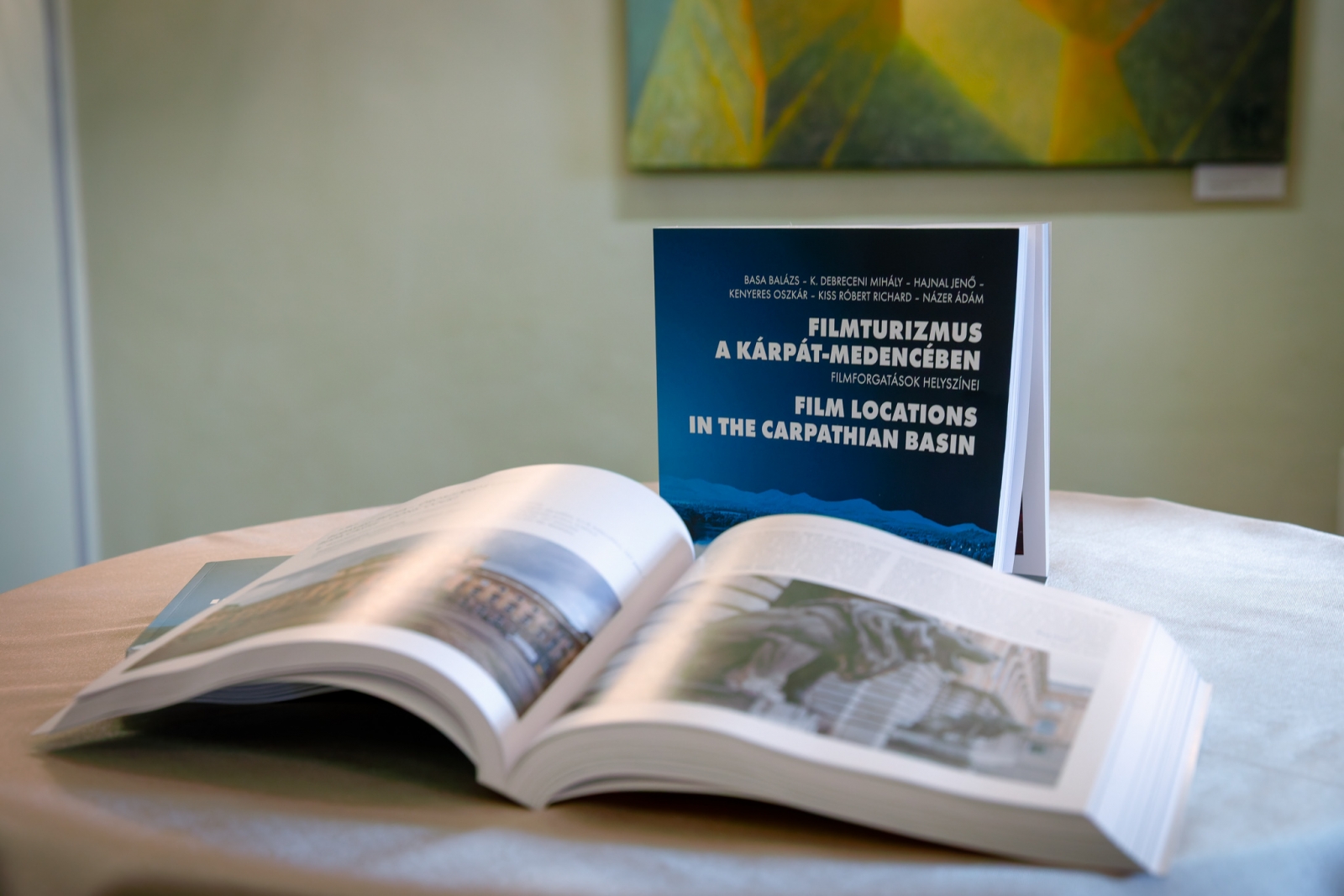
The film heritage and tourism appeal of the Carpathian Basin has been cast in a new light by the volume Film Locations in the Carphatian Basin – Filming Locations. At the book launch, both authors and editors emphasised that the book is not only for film fans, but also an engaging read for those interested in tourism and for education professionals. It also includes major Hungarian film studios—among them the ones in Fót and Etyek—as well as rural locations such as the Cinemaqua Park in Kisvárda.
“There are two years of work in this volume—we visited and verified an enormous number of locations,” highlighted editor-in-chief Dr. Róbert Richárd Kiss. He added that film tourism has two faces: the spending of crews during productions, and the travel motivation of viewers who seek out locations known from the screen. As examples, he mentioned Petra in Jordan, the Star Wars sets in Tunisia, and New Zealand’s Hobbit village. He also highlighted the contributions of Balázs Basa and Ádám Názer, as well as Jenő Hajnal.
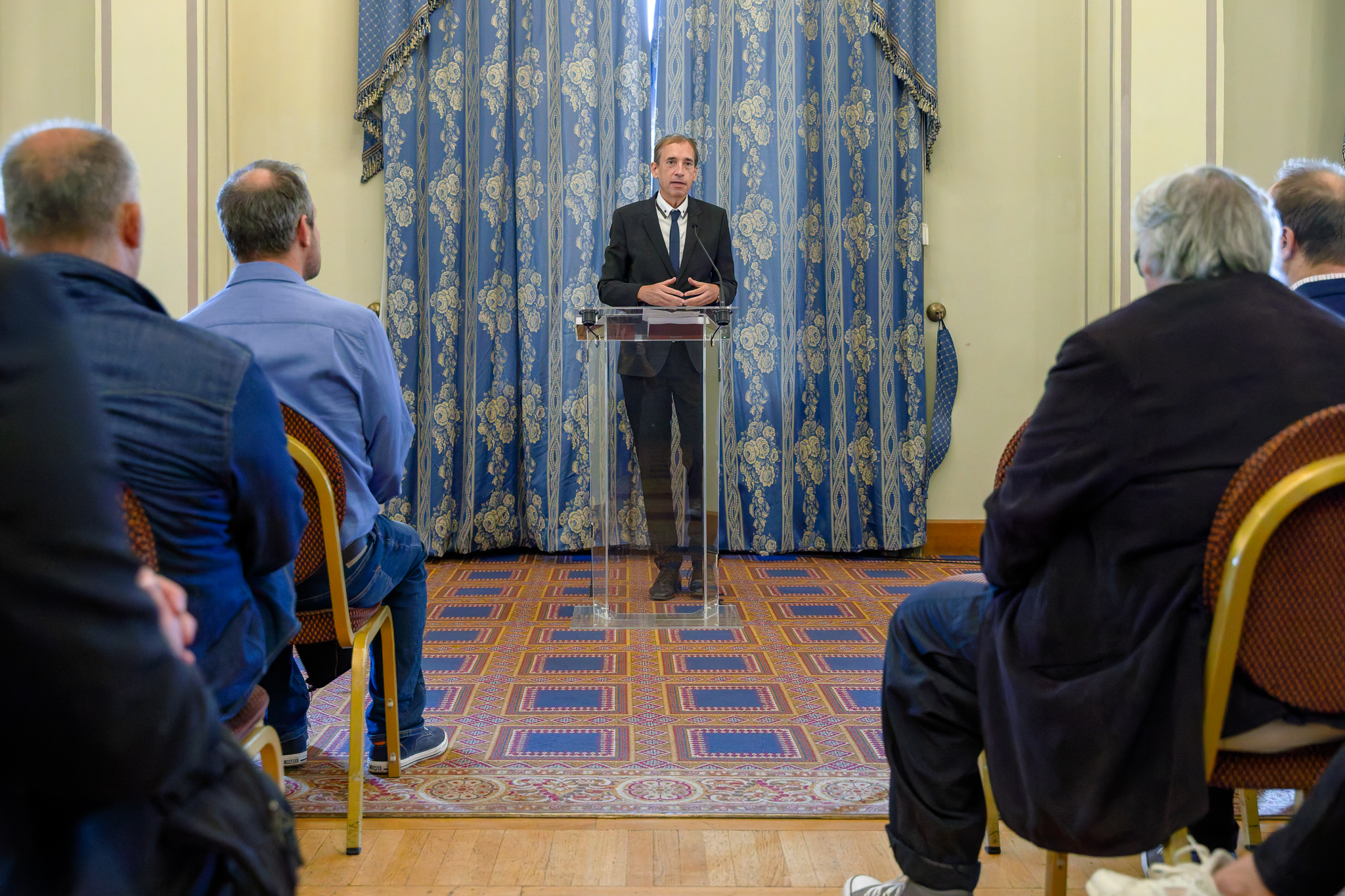
The book launch was opened by Prof. Dr. Melinda Jászberényi, Head of Department at Corvinus University of Budapest, and leader of the Institute for Sustainable Development’s Department of Tourism and the Corvinus Mobility and Tourism Centre. In her view, an important gap has been filled by this publication.
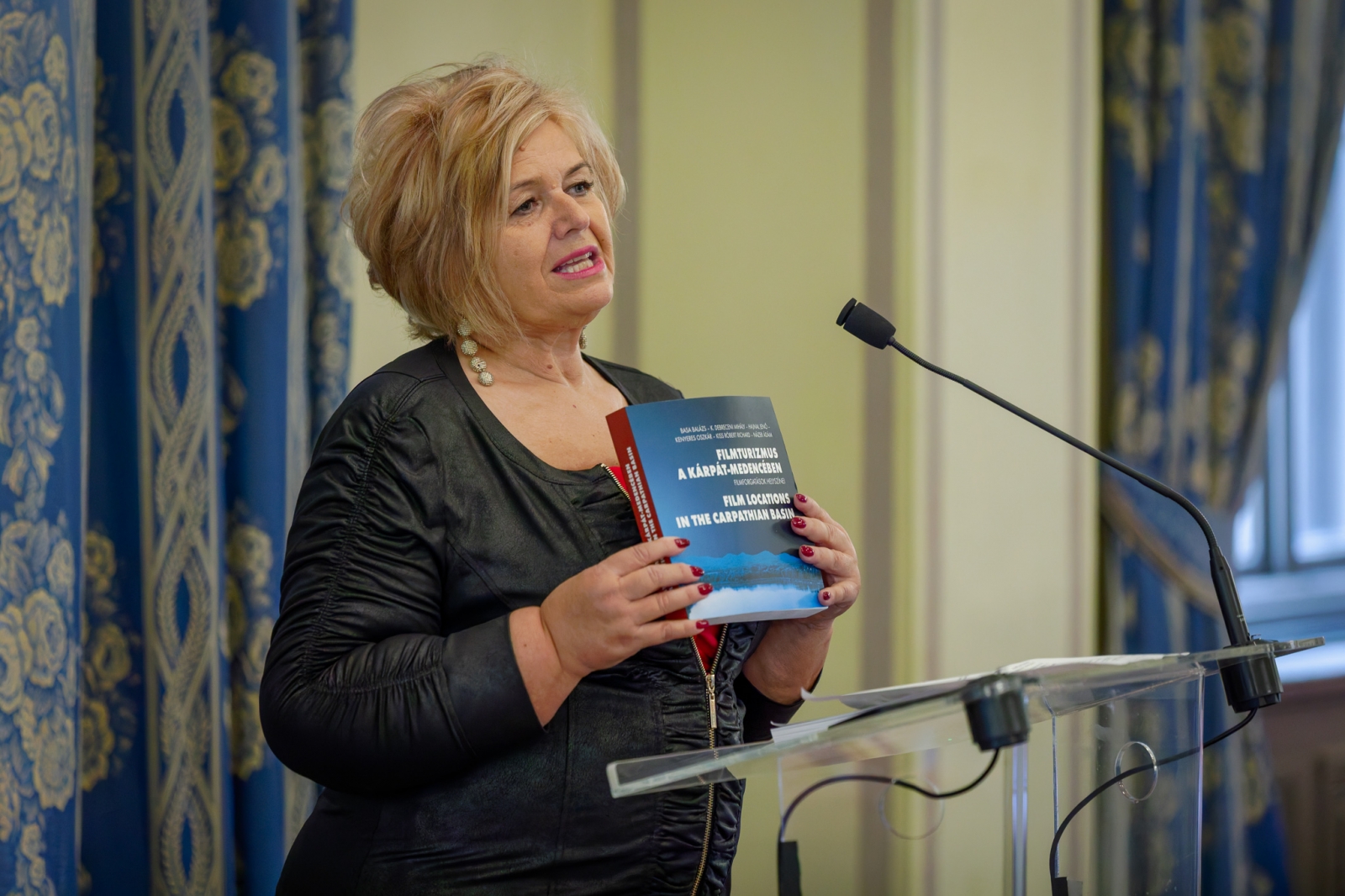
“As editor-in-chief of the book, Dr. Róbert Richard Kiss has once again demonstrated exceptionally thorough professional work, similar to his previous publications. There has been no example in this country of such depth and rigour; no book on film tourism has been produced with this level of quality,” the head of department said at the event.
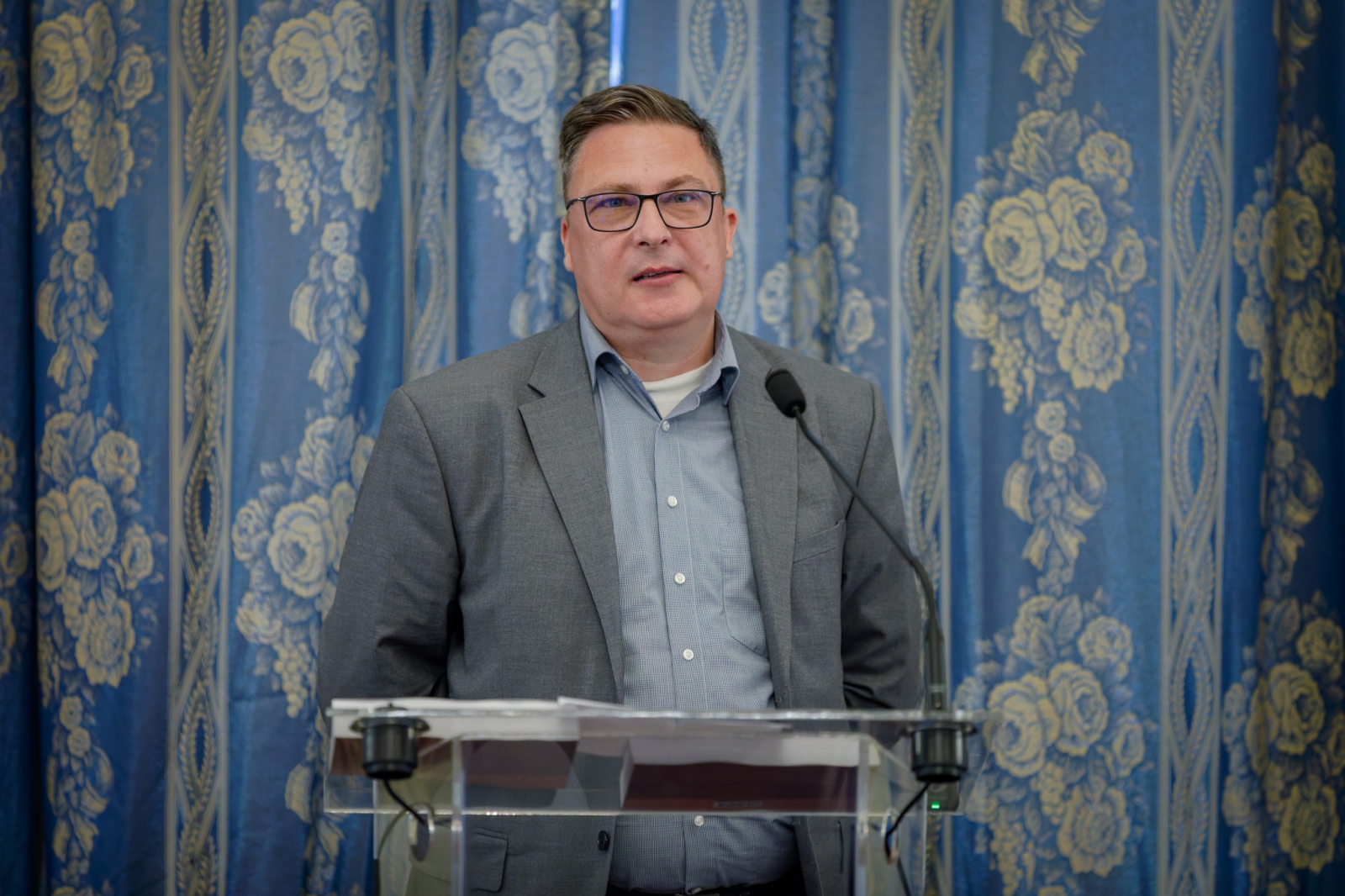
Balázs Basa, the project director of the volume, recalled that he has been engaged in researching film history locations for more than a decade and a half, and it is a special joy for him that they can now present this diversity in book form. He noted that the volume can primarily be seen as an introduction, as several eras of Hungarian film history—such as the silent film period or the golden age of the 1950s—are not yet included. At the same time, they paid special attention to the latest international blockbusters, so Alien: Romulus and several Hungarian shoots for Netflix also made it into the book.
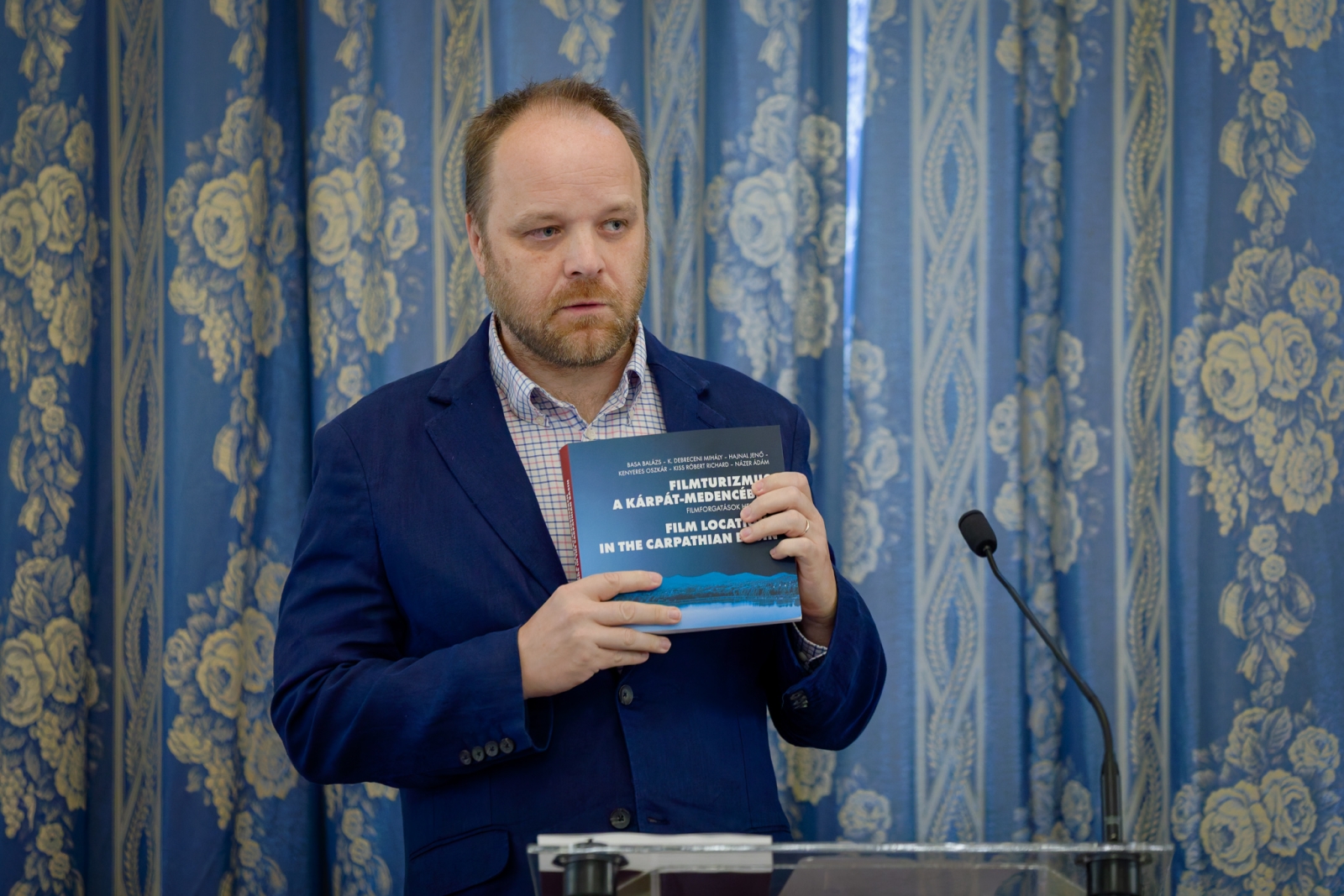
According to film production manager Ádám Názer, over the past twenty years the volume of films shot in Hungary has increased twenty-fold, which has been a huge stimulus for tourism and the economy. As he put it, Budapest and other regions have moved into the top tier of the global film industry, partly thanks to competitive pricing, partly due to more than 125 years of film tradition and world-class infrastructure. “Films bring new challenges every year, but Hungary keeps its position stable in international price competition,” he emphasised.
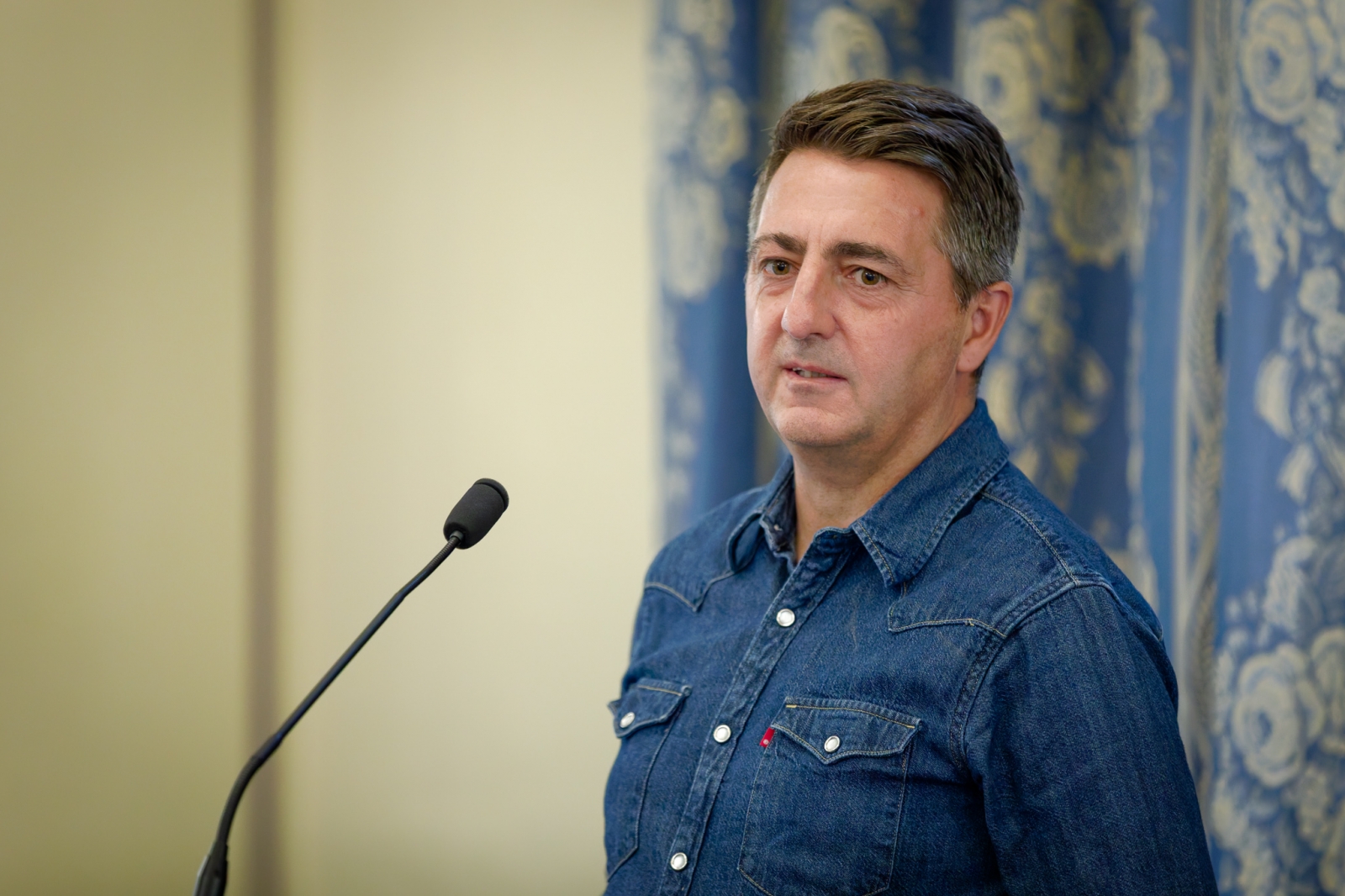
Journalist and local heritage guide Oszkár Kenyeres covered filming locations in Transylvania and the Highlands in connection with the volume. “The Carpathian Basin is incredibly diverse: from plains to high mountains, from basalt quarries to medieval castles—almost anything can be depicted here,” he said. His personal favourite was the section on Csíksomlyó, where the film People in the Mountains was also shot.
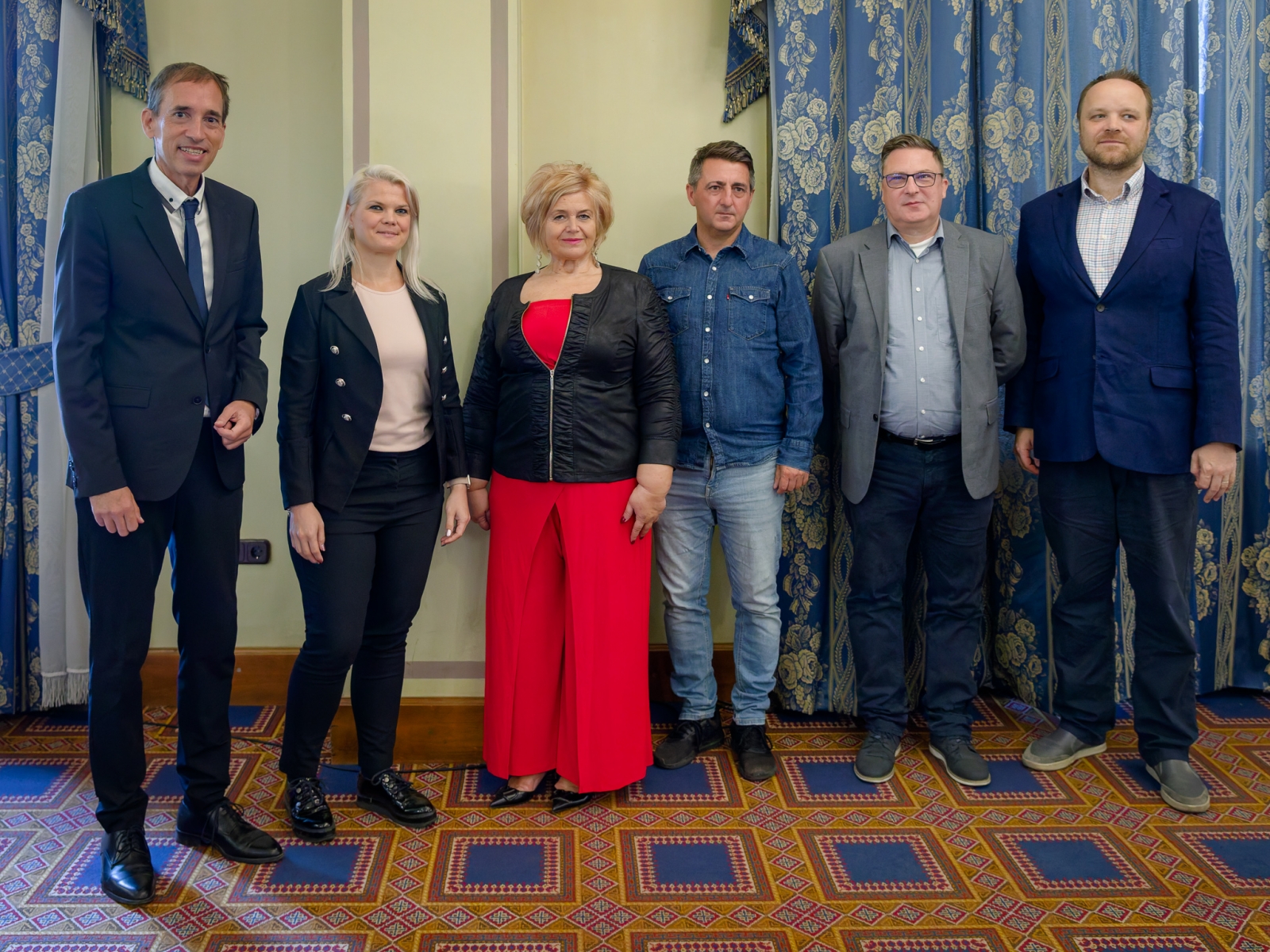
The editors and authors hope that the newly published bilingual Hungarian–English book will soon be followed by a second volume, offering an even broader spectrum of the Carpathian Basin’s film heritage and tourism significance.
The authors of the volume were Balázs Basa, Mihály K. Debreczeni, Jenő Hajnal, Oszkár Kenyeres, Róbert Richard Kiss, and Ádám Názer. The book was reviewed by Tímea Tóth, Tamara Rátz, and Anna Irimiás. The idea for a comprehensive Carpathian Basin overview was inspired by Árpád Potápi. The volume is published in Hungarian and English; the English section was proofread by Veronika Goitein.
The research programme of Kodolányi János University’s ÚKK supported the work. Layout and typesetting were produced by István Beszédes and Eszter Róna. The high-quality photographs credit Zsolt Bocskay and many other contributors. The responsible publisher is László Bodrogai.